


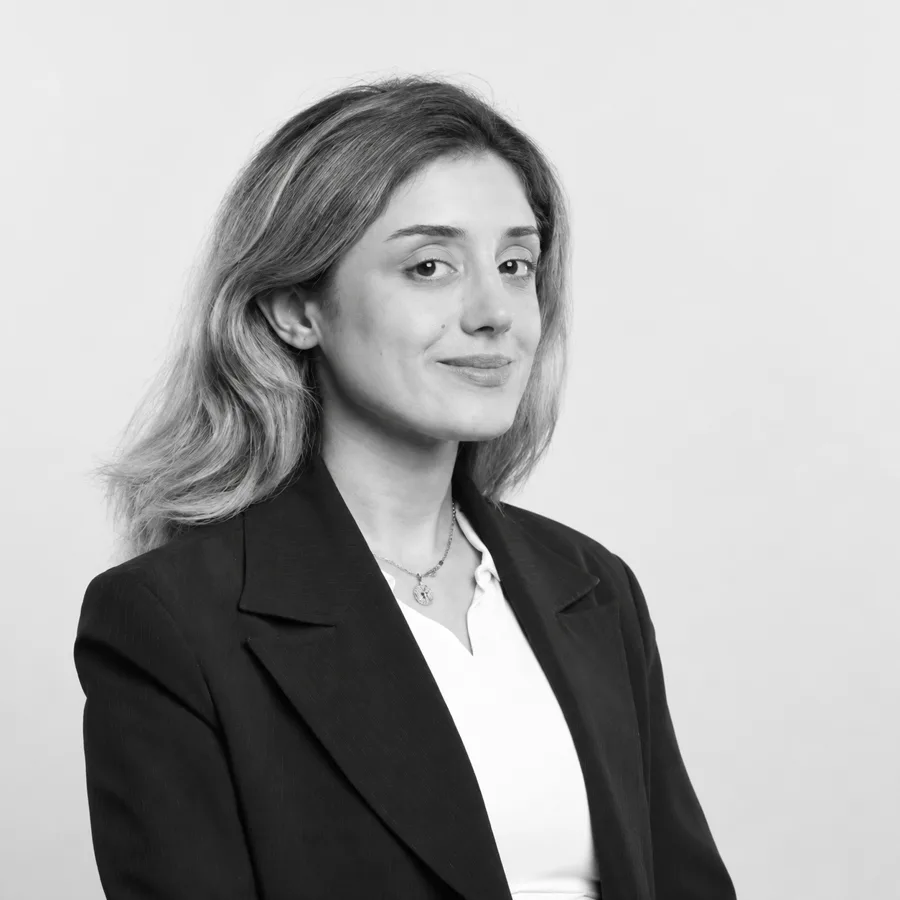
Sude holds a degree in Medical Neuroscience and a Master's in Artificial Intelligence, with interests spanning cognitive state monitoring, brain–computer interfaces, mental health, and neurodegenerative disease research. She is currently a Blue Sky Fellow at Cambridge NeuroWorks and a fellow at Thinking About Thinking.
Early-stage neurotechnology research
A new perspective onseizure unpredictability.
NeuroEVE is exploring how continuous brain monitoring and computational models could help forecast seizures and inform when to intervene.
- SenseBrain activity recorded behind the ear.
- ForecastModelling how seizure states evolve.
- RespondSimulating when stimulation could be timed.
Why it matters
Living with uncertainty is part of the challenge.
For many people with epilepsy, the hardest part can be not knowing when a seizure might happen.
The research question
Seizures can be difficult to anticipate. We're investigating whether continuous brain monitoring could reveal useful information about how seizure states evolve.
Brain activity changes over timeResearch focus

Unpredictable timing
Not knowing when a seizure might occur can shape everyday plans and decisions.
Changing brain states
Brain activity is dynamic, and seizure states can develop over time.
A research opportunity
Continuous monitoring could help researchers study those changes more closely.
Our Approach
Sense. Forecast. Respond.
NeuroEVE is developing a research framework to explore whether continuous brain monitoring can help forecast seizures and guide the timing of intervention.
Stage 1
Sense
Study brain activity recorded by a non-invasive/minimally invasive subcutaneous sensor.
Stage 2
Forecast
Use computer models to study how seizure states evolve and what that could tell us about when a seizure might occur.
Research framework
Conceptual diagram of the research framework.
Stage 3
Respond
Compare different stimulation timings in simulated seizures to inform future research on when to deliver interventions like VNS (Vagus Nerve Stimulation).
Long-term goal
Bringing it together
A discreet system beneath the skin that combines continuous monitoring, seizure forecasting and responsive stimulation.
Research vision
Toward a more responsive understanding of brain activity.
A long-term ambition that guides our research today.
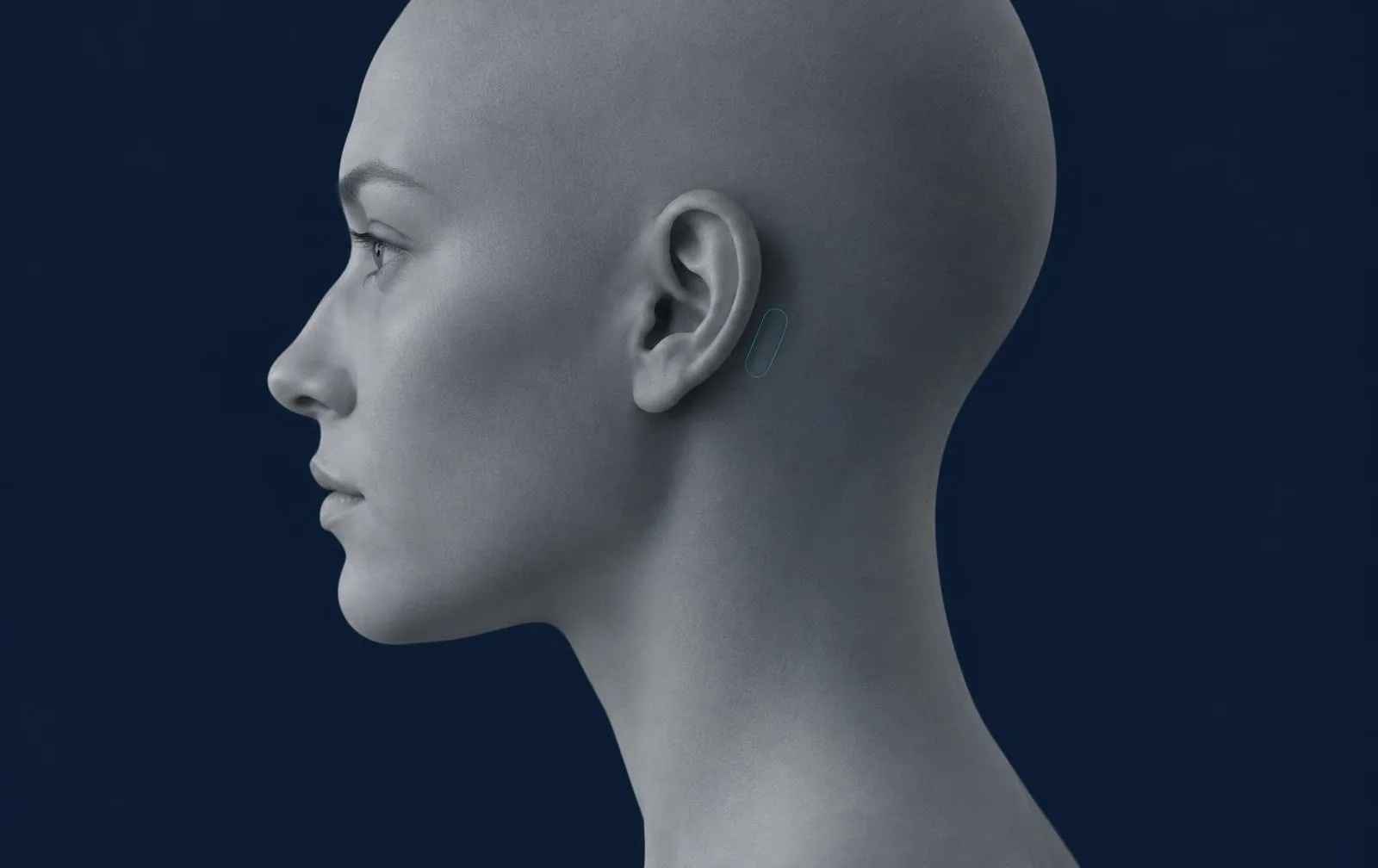
- Continuous monitoring
- Seizure forecasting
- Responsive stimulation
A discreet system beneath the skin.
Conceptual illustration of a long-term research vision. Not a finished or clinically validated device.
Discreet
A system that could sit unobtrusively beneath the skin.
Continuous
Monitoring brain activity over time, not only during a clinic visit.
Anticipatory
Studying whether changes in seizure states could be forecast.
Responsive
Exploring when stimulation might be best timed.
Where we are today
Clear about the stage, ambitious about the goal.
NeuroEVE's work is in research and development. Here is what that means.
Early-stage research
NeuroEVE is an early-stage neurotechnology company. The work is currently in research and development.
Supported in Cambridge
The research is primarily funded by the University of Cambridge and Cambridge NeuroWorks.
Future research
Forecasting and responsive stimulation remain areas of ongoing investigation, not available products.
Interested in the research?
Researchers, investors and collaborators are welcome to start a conversation.
Start a conversation
Curious about the research?Let's talk.
We'd love to hear from researchers, collaborators and investors interested in the future of neurotechnology.
About NeuroEVE
Two questions, studied together.
A thoughtful approach to the uncertainty of living with epilepsy.
Our focus
NeuroEVE is an early-stage neurotechnology company focused on the uncertainty of living with epilepsy. We're exploring how continuous monitoring of brain activity could help detect and forecast seizures and to also inform when to intervene.
Our approach combines brain signals recorded behind the ear with computer models of how seizures develop. We study two questions together: can we anticipate how a seizure might evolve, and could that information help guide when to deliver stimulation?
Our long-term goal is a discreet system beneath the skin that combines continuous monitoring, seizure forecasting and responsive stimulation.
Brain signals recorded behind the ear, studied alongside computer models of how seizures develop.
Signals behind the ear
Brain activity recorded from behind the ear.
Computer models
Models of how seizures develop and evolve.
Two questions together
Anticipating seizure evolution and guiding stimulation timing.
Team
The people behind NeuroEVE.
A small team working across neuroscience, engineering and artificial intelligence.

Kunal holds a degree in Electronics and Communication Engineering and is a Fellow at Thinking About Thinking. He actively conducts research in artificial intelligence, with interests spanning cognitive science, complex systems, and the sustainability, ethics and philosophical foundations of AI.
Get involved
Let's explore this together.
Researchers
Explore the scientific questions behind seizure forecasting and responsive stimulation.
Investors
See why the problem matters and what NeuroEVE is working toward.
Collaborators
Discuss shared interests in neurotechnology, monitoring and computational models.
Contact
Interested in what we're exploring?
We welcome conversations with researchers, collaborators, and others interested in the future of neurotechnology.
- Emailkunal.pant@neuroeve.org
- LocationCambridge, United Kingdom
- LinkedInNeuroEVE on LinkedIn